What Is a Mortise Lock and Why Do Gormley Homes Have So Many of Them?
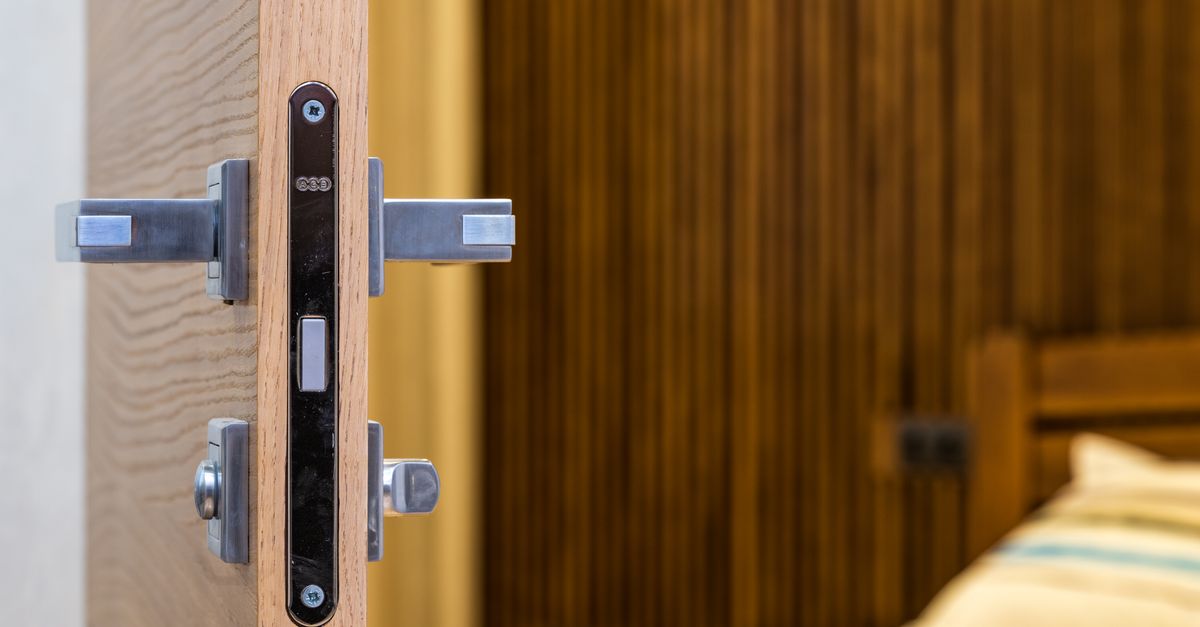
A mortise lock is a lock body that is recessed — mortised — directly into a pocket cut into the edge of the door, rather than sitting on the door's surface the way a cylindrical knob lock does. The body typically houses a latch bolt, a dead bolt, and in many older models a night latch, all operated by a single mortise lock cylinder and a thumb turn. Because the lock body is embedded inside the door, the overall installation is far more robust and tamper-resistant than a surface-mounted lockset. This is precisely why builders favored them for quality residential construction through much of the twentieth century, and why you still find them on the vast majority of doors in Gormley's pre-1980s housing stock.
Understanding what is a mortise lock also means understanding its vulnerabilities. The internal cam, springs, and levers are precise components, and when one fails the whole unit can become inoperable. A broken cam means the key turns but nothing moves. A worn latch spring means the door no longer catches on its own. A damaged mortise lock cylinder means the key may not turn at all, or worse, the cylinder can be manipulated. Each failure mode calls for a different repair approach, which is why a qualified locksmith — not a general handyman — should assess the problem before parts are ordered or drilled out.