Signs You Need a Door Knob Lock Replacement (Not Just a Repair)
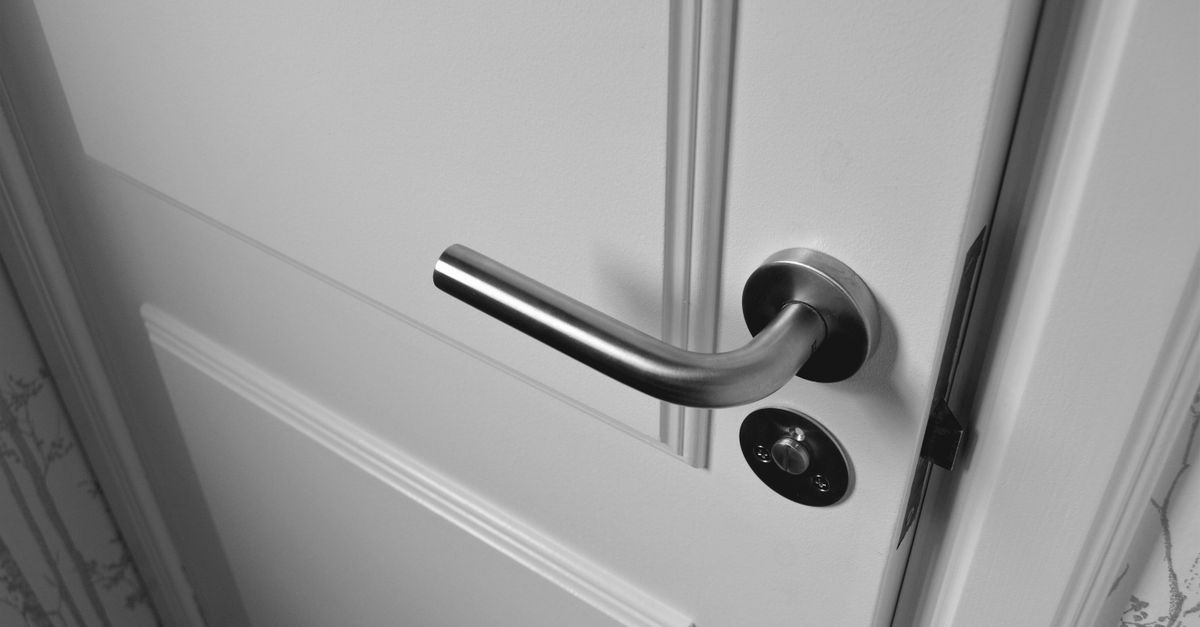
Not every failing knob needs to be replaced outright, but many do. A knob lock that spins freely without retracting the latch bolt has a broken spindle — it cannot be adjusted back into service. A lock that accepts the key but no longer turns has likely suffered internal cylinder damage, often from a worn key, a forced-entry attempt, or years of moisture intrusion working into the mechanism. Loose knobs that have been tightened repeatedly and keep working free again usually have stripped screw holes or a faulty rose plate mounting; at that stage, replacement is more cost-effective than continued repair attempts. If the door swings open under light pressure even when latched, the latch bolt itself is worn or the strike plate has shifted — a common problem on Gormley homes with wood-frame doors that expand and contract seasonally.
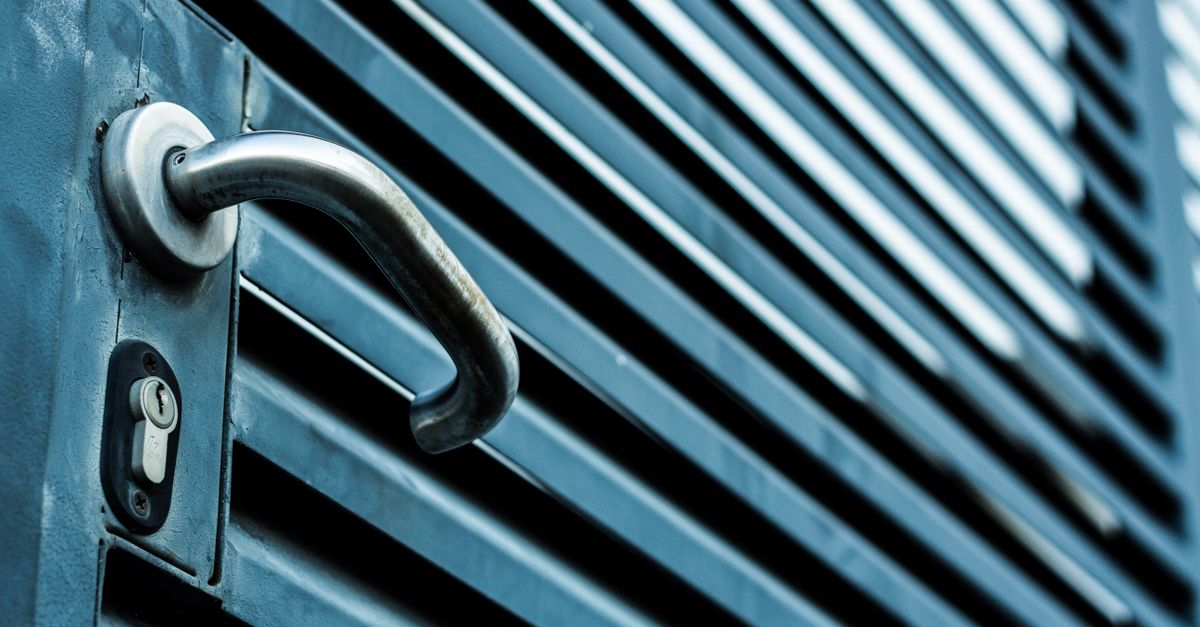
Interior situations matter too. A door knob with lock for a bedroom or bathroom that no longer provides privacy — the push-button won't stay depressed, or the emergency release on the outside no longer works — is a safety concern, particularly in homes with children. On the commercial side, a double lock door knob on a back office or stockroom that misbehaves represents a liability. Our technicians assess whether a cylinder re-key, a latch adjustment, or a full door knob lock replacement is the right call, and they explain that assessment clearly before quoting.